
Here are several effective methods to keep birds off your balcony railing, keeping in mind that your railing is likely 36–42 inches tall and may have specific structural or aesthetic considerations.
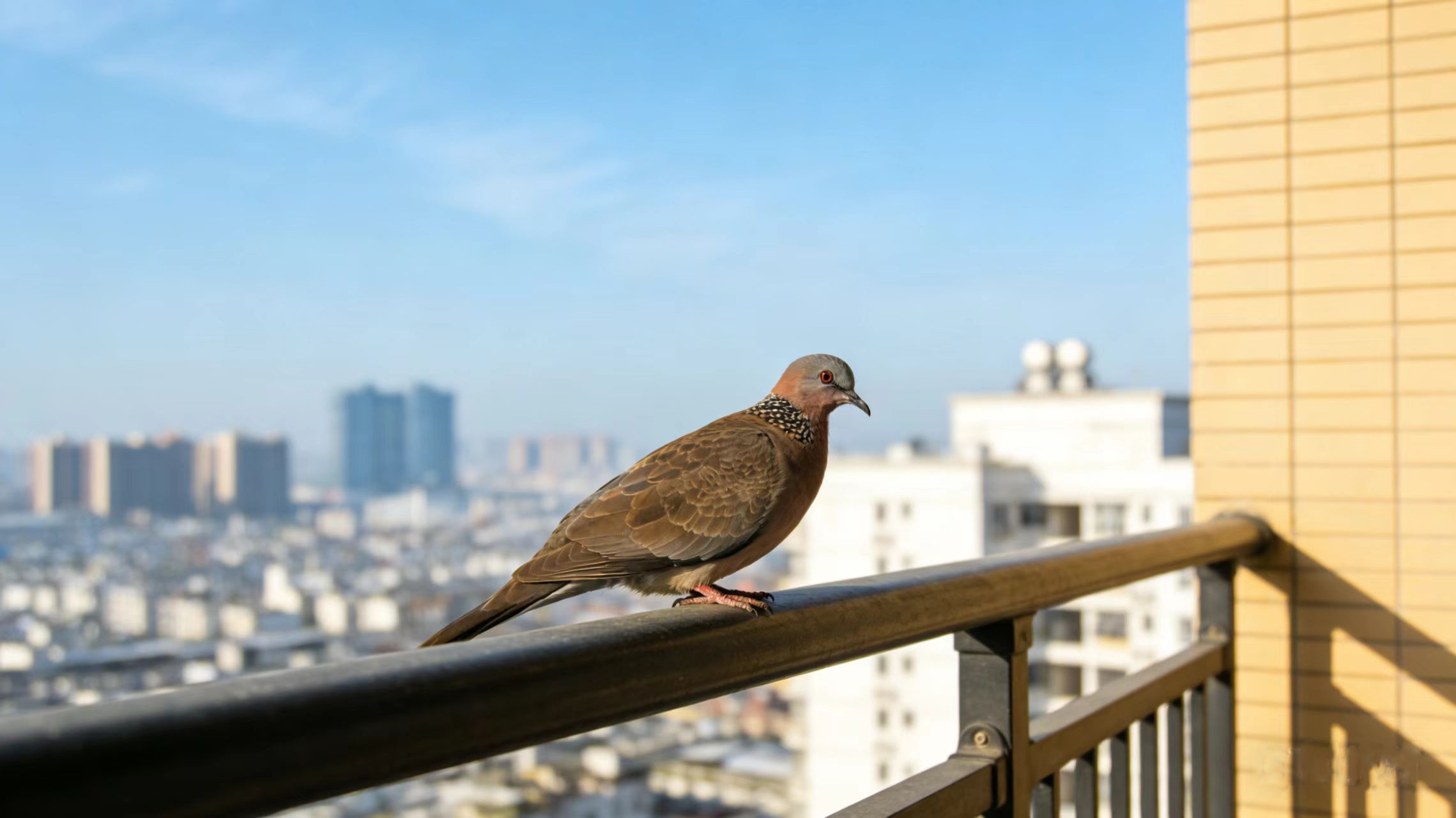
1. Physical Deterrents
Bird Spikes
What: Plastic or stainless steel spikes that attach to the top of railings.
How: Birds cannot land on the spikes, so they move elsewhere.
Best for: Flat-top railings (common on many balconies).
Tip: Look for wide-base spikes that won’t damage the railing surface. Many are clear so they blend in visually.
Bird Wire Systems
What: A thin stainless steel wire tensioned above the railing surface.
How: Birds find it difficult to land because the wire creates an unstable surface.
Best for: Longer railing runs where spikes might look cluttered.
Sloped Surfaces (Bird Slides)
What: Angled plastic or metal shields that attach to the top of the railing.
How: Birds cannot perch on a sloped surface.
Best for: Flat-top railings where aesthetics matter—they look clean and are often transparent.
2. Visual Deterrents
Reflective Tape or Discs
What: Flash tape or hanging reflective discs that spin in the wind.
How: Sunlight reflects off them, creating flashes that scare birds.
Placement: Hang from the ceiling above the railing or attach to vertical balusters.
Caution: In multi-story buildings, ensure hanging items do not swing into neighboring balconies or become wind hazards.
Predator Decoys
What: Fake owls, hawks, or snakes.
How: Birds perceive a threat and avoid the area.
Tip: Move the decoy every few days—birds quickly realize a stationary object is not a threat.
Holographic or UV Reflective Stickers
What: Stickers designed for windows but usable on railings or nearby surfaces.
How: Birds see UV reflections that humans cannot, making the area appear hazardous.
3. Sound & Motion Deterrents
Wind Chimes
What: Metal or bamboo wind chimes.
How: The noise and movement unsettle birds.
Tip: Place near the railing but ensure they are securely mounted so they do not become a falling hazard from an elevated balcony.
Ultrasonic Bird Repellers
What: Battery or solar-powered devices that emit high-frequency sounds.
How: The sound is unpleasant to birds but inaudible to most humans.
Best for: Persistent bird problems where other methods have failed.
4. Scent-Based Deterrents
Birds have a strong sense of smell and dislike certain scents:
Citrus: Place orange or lemon peels along the railing (replace every few days).
Peppermint or Citronella Oil: Apply to cotton balls and place in small containers near the railing.
Commercial Bird Repellent Gels: These smell unpleasant to birds and feel sticky to their feet, discouraging landing.
Caution: If using oils or gels, ensure they do not stain or damage your railing material (especially wood or painted metal).
5. Remove Attractants
Birds are drawn to areas with food, water, and shelter:
No Bird Feeders: If you have a feeder, move it far away from the railing.
Clean Regularly: Wipe down the railing and balcony floor to remove droppings, seeds, or food residue.
Check for Nests: Inspect corners, under the railing, or behind planters for early nest-building, especially in spring.
6. Netting (Last Resort)
What: Fine mesh bird netting.
How: Creates a physical barrier that prevents birds from accessing the railing area.
Considerations: Netting can be visually unappealing and may violate building codes or HOA rules if installed on the exterior. It also requires secure mounting to prevent wind from dislodging it—especially important on elevated balconies where loose netting could become a hazard.
Important Considerations for Balcony Railings
Given that your railing is likely a fall protection structure at 36–42 inches tall, keep these safety points in mind:
| Consideration | Details |
| Do Not Reduce Railing Height | Avoid adding bulky deterrents on top of the railing that effectively lower the protective height or create a climbing aid. |
| Secure All Items | Anything attached to or placed on the railing must be firmly secured to prevent it from falling onto people or property below—especially important for elevated balconies. |
| Check Building Rules | Many condos, apartments, and HOAs restrict what can be attached to exterior railings. Review your building’s policies before installing spikes, netting, or hanging devices. |
| Material Compatibility | Some deterrents (like adhesive tapes or oils) may damage wood, powder-coated metal, or painted surfaces. Test in an inconspicuous area first. |
Quick Recommendation by Railing Type
| Railing Type | Best Deterrent |
| Flat-top metal or wood | Bird spikes or sloped shields |
| Vertical balusters (no flat top) | Reflective tape on balusters + wind chimes nearby |
| Glass panel railing | UV reflective stickers or adhesive-mounted sloped shields |
| Wrought iron / decorative | Wire system or strategic placement of reflective discs |
If you try one method and birds persist, combine two approaches—for example, bird spikes plus reflective tape—as birds often adapt to single deterrents over time.